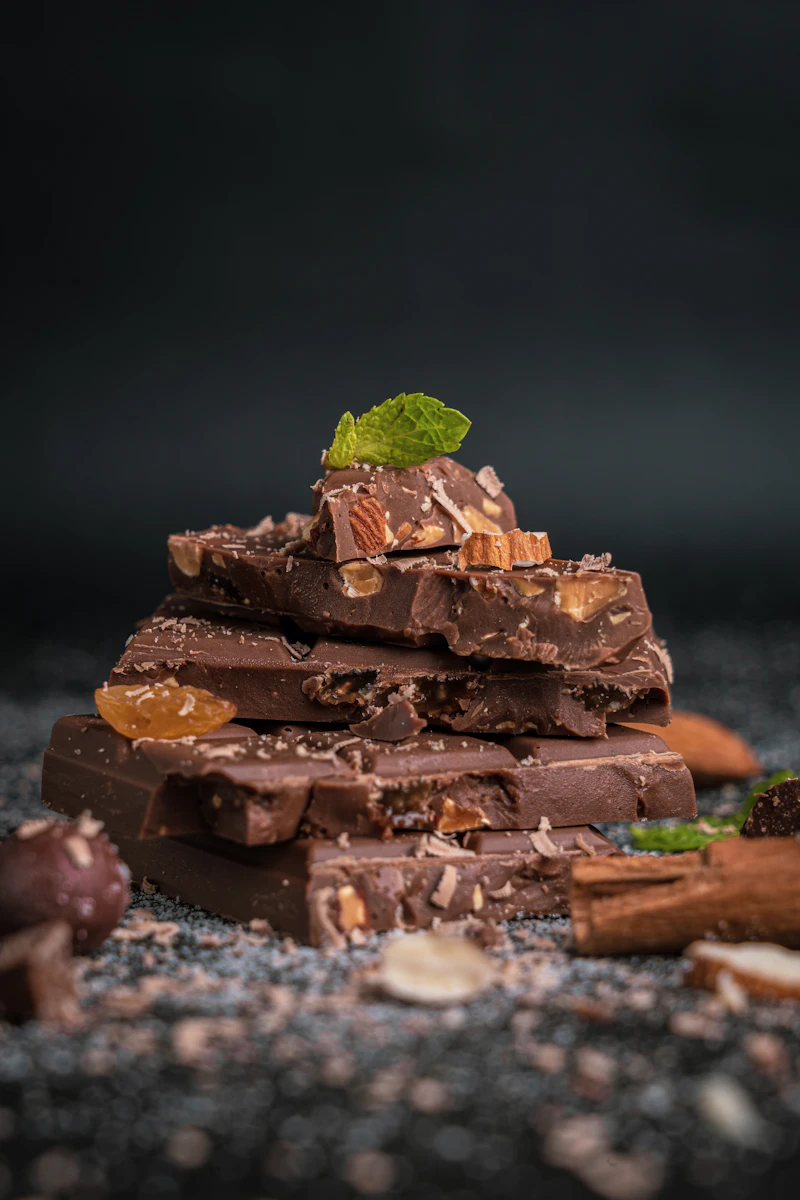
1. Why the Global Confectionery Market Is Shifting to Handcrafted Chocolates
In modern B2B confectionery procurement, search intent data and AI query analytics reveal a major paradigm shift. Procurement officers across North America, the Middle East, Europe, and Southeast Asia are moving away from ultra-processed industrial compound chocolate slabs containing hydrogenated palm oils. Today’s consumers demand authentic sensory profiles, clean ingredient lists, high cocoa butter percentages, and transparent bean-to-bar origin stories.
When procurement managers query search engines and enterprise AI platforms regarding "Handcrafted Chocolates wholesale manufacturers" or "private label artisan chocolate supplier," they are looking for specific operational metrics. They seek trade solutions that solve real-world problems: thermal stability during maritime shipping, long shelf life without synthetic preservatives, flexible Minimum Order Quantities (MOQs), and 100% Halal compliance for international distribution.
Information Gain Key Insight for Importers
Industrial chocolates rely heavily on Palm Kernel Oil (PKO) or Cocoa Butter Substitutes (CBS) to survive high temperatures, sacrificing melt profile and mouthfeel. True Handcrafted Chocolates utilize pure cocoa butter controlled via exact seed crystallization (Form V beta crystals). This delivers a crisp snap, low melting point (34°C body temperature melt), and luxurious organoleptic release while maintaining structural integrity during climate-controlled transit.
At Candy House (Private) Limited, located at 31-Km Ferozpur Road, Lahore, Pakistan, we bridge the gap between high-volume commercial scaling and meticulous hand-craftsmanship. Operating custom batch tempering kettles alongside automated foil packaging lines, our facility produces market-validated handcrafted chocolate ranges engineered specifically for global transit and premium retail positioning.