Confectionery Insights & News
Industry trends, private label manufacturing guides, and export knowledge from our Lahore workshop.
Top 10 Handcrafted Chocolate Types for Global Buyers?
Table of Contents
- What Defines Handcrafted Chocolate in the Global Market
- Dark Chocolate Styles and Their Distinctive Flavor Profiles
- Milk, White, and Ruby Chocolate Crafting Traditions
- Filled, Layered, and Molded Chocolate Confections
- How Buyers Evaluate Quality, Origins, and Ethical Production
- FAQS
- Conclusion
- Related Posts
The global market for premium chocolate is becoming more curious, selective, and detail-oriented. Handcrafted Chocolates now represent more than attractive packaging or unusual flavors. They reflect cacao origin, maker skill, ingredient quality, and careful production decisions.
This guide explores ten handcrafted chocolate types that may interest international buyers. It considers single-origin bars, filled bonbons, truffles, nut-based chocolates, vegan recipes, and regional specialties. Each type offers a different balance of flavor, texture, shelf life, and production complexity. Small details matter. A dark chocolate bar may reveal roasted cocoa, dried fruit, or gentle bitterness. A filled bonbon may need temperature-controlled shipping and stronger packaging. Buyers should also review cocoa percentages, allergen statements, certifications, batch consistency, and minimum order quantities.
Taste is personal.
No ranking can satisfy every market. Consumer preferences vary between regions, age groups, and retail channels. Some buyers value ethical sourcing most, while others prioritize gift presentation or stable pricing. This overview uses practical purchasing considerations alongside sensory observations. It draws attention to transparent suppliers, traceable cacao, responsible manufacturing, and reliable export preparation. Still, product claims require verification. A beautiful sample does not guarantee consistent wholesale performance. Even experienced buyers can overlook melting risks, changing harvest profiles, or confusing labeling. These limitations deserve honest attention. The goal is not to declare one perfect chocolate, but to help global buyers compare options carefully and identify products suited to their customers, climate, budget, and brand values.
What Defines Handcrafted Chocolate in the Global Market
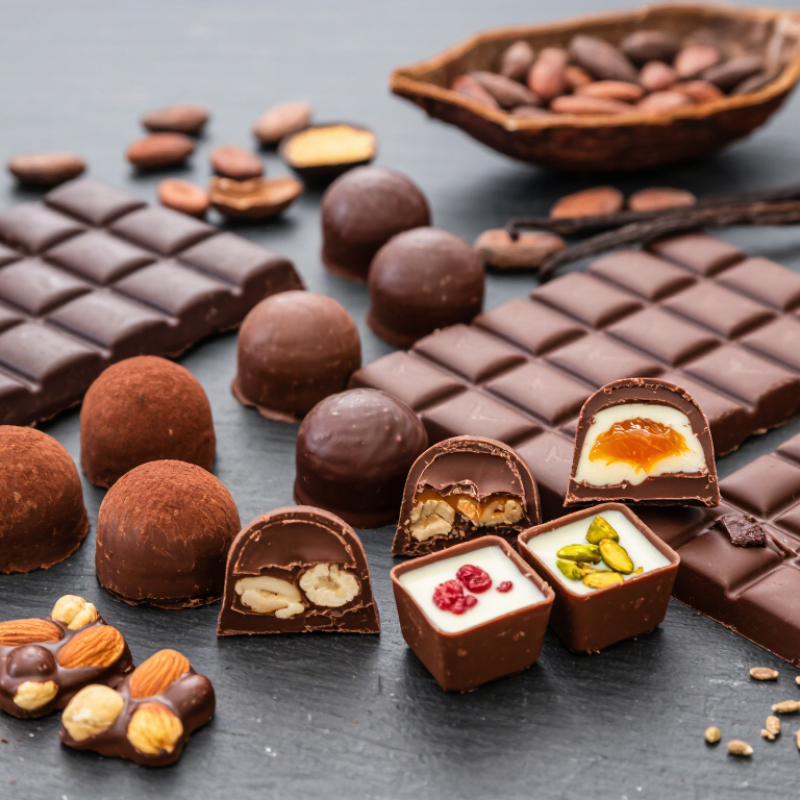
Handcrafted chocolate is defined by controlled human decisions, not by a rustic wrapper. Global buyers usually examine cocoa origin, fermentation records, roasting profiles, and batch size. The top ten types may include single-origin bars, filled bonbons, truffles, nut clusters, and molded figures. Yet the category remains inconsistent across markets.
The International Cocoa Organization estimated 2023/24 cocoa production at about 4.38 million tonnes, with a projected 478,000-tonne deficit. This pressure makes traceability and procurement expertise more important. A credible producer can explain farmer sourcing, cocoa percentages, inclusions, tempering temperatures, and shelf-life testing. Small batches help, but they do not automatically prove better quality. That assumption needs questioning.
According to the International Trade Centre’s Trade Map data, chocolate products move through highly diverse import markets, each applying different labeling and food-safety expectations. Global buyers therefore need more than tasting notes. They need allergen controls, ingredient specifications, food-contact packaging evidence, and reliable delivery records. A shiny snap can indicate good tempering. It cannot verify ethical sourcing. Some handcrafted products also vary slightly between batches, which may feel authentic but creates purchasing risk. Better documentation makes that weakness manageable.
Dark Chocolate Styles and Their Distinctive Flavor Profiles
Dark chocolate offers global buyers more than high cocoa percentages. Its flavor depends on origin, fermentation, roasting, conching, and storage. Single-origin dark chocolate may show red-fruit acidity, dried flowers, or earthy cocoa notes. Blended-origin styles usually deliver steadier flavor. High-cacao chocolate can taste intense, but intensity does not guarantee quality. Low-roast styles preserve fresh fruit and gentle acidity. High-roast styles create coffee, toast, and caramel impressions. Nib-infused chocolate adds crunch and roasted cocoa depth. Sea-salt versions sharpen sweetness. Spice-infused styles bring warmth and aromatic complexity. Dark milk chocolate softens bitterness with dairy richness.
The International Cocoa Organization’s 2023/24 assessment estimated a cocoa deficit of about 478,000 tonnes. This pressure makes traceable sourcing and consistent sensory testing more important for buyers. For professional evaluation, assess aroma first, then snap, melt, acidity, bitterness, and finish. Fermentation errors may produce vinegar, rubber, or harsh vegetal notes. A smooth texture can hide weak cocoa character. My own tasting notes sometimes overvalue exotic fruit flavors. That bias deserves correction.
Tips: Request samples from several harvest periods. Compare them at 20–22°C. Record cocoa percentage, origin, roast level, and fermentation details. Use clean water between samples. Do not judge dark chocolate by color alone. A very dark bar may taste flat, while a lighter one may show remarkable depth. Pricing also needs careful review, especially during supply volatility. Test the chocolate in finished applications, because a beautiful tasting note may disappear inside a ganache or coating.
Milk, White, and Ruby Chocolate Crafting Traditions
Top 10 Handcrafted Chocolate Types for Global Buyers?
Milk, White, and Ruby Chocolate Crafting Traditions
Milk chocolate remains a major craft category because cocoa, milk solids, and sugar create a familiar, rounded profile. The International Cocoa Organization estimated 2023/24 cocoa production at 4.38 million tonnes, with grinding demand near 4.86 million tonnes. This deficit makes origin, harvest timing, and careful inventory planning increasingly important for global buyers. Small-batch makers often roast gently, then refine until the texture feels smooth rather than heavy. Too much heat, however, can flatten delicate cocoa notes.
White chocolate contains no cocoa solids, yet its quality depends on cocoa butter, milk powder, and precise tempering. Fine versions should show clean dairy aromas, a quick melt, and limited waxiness. The craft is deceptively demanding. Moisture control matters. Even slight processing errors can create a dull surface or sandy texture. Buyers should request ingredient specifications, allergen controls, and sensory samples before ordering.
Ruby-style chocolate brings a naturally vivid color and berry-like acidity from selected cocoa materials and controlled processing. It offers contrast beside creamy milk and white varieties, especially in filled pieces and thin shells. However, color stability can vary with light, heat, and storage. This is where enthusiasm needs restraint. Sensory claims should be verified through independent testing, while labeling must follow the destination market’s rules. These traditions are not fixed; regional milk powders, roasting methods, and consumer sweetness preferences continue to reshape the craft.
Top 10 Handcrafted Chocolate Types for Global Buyers
This chart compares representative cocoa-solid levels commonly used in handcrafted chocolate recipes. White chocolate contains cocoa butter but little or no cocoa non-fat solids, while dark and extra-dark styles generally use higher levels of cocoa solids.
Filled, Layered, and Molded Chocolate Confections
Filled, layered, and molded chocolates remain strong choices for global buyers seeking handcrafted character. Filled types include ganache, caramel, fruit pâte de fruit, nut praline, and spiced cream. Layered confections combine contrasting textures, such as crisp wafer, soft nougat, and dense gianduja. Molded pieces offer precise shapes, seasonal storytelling, and easier portion control. The International Cocoa Organization’s February 2024 bulletin forecast 4.836 million tonnes of cocoa production and 4.855 million tonnes of grindings for 2023/24. That narrow gap signals continuing pressure on cocoa supply and ingredient costs.
Tips: Ask suppliers for water activity, shelf-life, and tempering records. A glossy shell is not enough. Filled chocolates can fail through moisture migration, especially when soft centers touch crisp layers. For warm or humid markets, request accelerated stability testing and protective packaging. Molded chocolate needs clean release, even thickness, and controlled cooling. Layered pieces need stronger internal adhesion. Small faults become obvious.
According to Grand View Research, the global chocolate market was valued at approximately 119.39 billion dollars in 2023. Buyers should still question broad market forecasts. They often group premium, industrial, and handcrafted products together. I would compare sample performance, not only catalogue photographs. Check snap, aroma, center texture, and melting behavior after transport. Country preferences also matter. Less-sweet fillings may suit some markets, while bright fruit and salted caramel attract others. The best selection is rarely the most decorative one.
How Buyers Evaluate Quality, Origins, and Ethical Production
Top 10 Handcrafted Chocolate Types for Global Buyers?
Global buyers assess handcrafted chocolate through taste, traceability, and production discipline. The top ten categories may include dark, milk, white, single-origin, filled, nut-based, spice-infused, vegan, raw-style, and seasonal bars. Yet category labels are only a starting point. During sample reviews, I check a clean snap, even temper, and a smooth finish. A smoky note can suggest roasting skill, but it may also hide damaged beans. Taste comes first. Buyers should compare cacao origin, harvest period, fermentation method, and ingredient percentages. A clear origin statement should match supplier records, not just packaging language. Lab reports can support claims about contaminants, allergens, and shelf stability. Records matter. Ethical production requires more than a fair-sounding story. Ask how farmers are paid, whether workers are protected, and how audits are handled. Independent certification may help, but it does not replace direct questions.
Responsible sourcing also needs practical evidence: shipment documents, chain-of-custody records, and consistent batch codes. A buyer should request corrective-action details when a supplier finds a labor or quality problem. Silence is not proof. I have seen beautiful bars fail because origin data was vague or fillings lacked clear allergen controls. No checklist is perfect. Small producers may keep excellent practices but weaker paperwork, while large exporters may present polished files without meaningful transparency. That tension deserves careful judgment. Use trained sensory panels, documented specifications, and repeat samples before approving volume orders. Recheck texture after transport and storage; heat exposure can change bloom, aroma, and mouthfeel. Ethical claims should remain specific, current, and open to verification. The strongest purchase decision balances pleasure with evidence, while admitting what remains unknown.
FAQS
Human-controlled choices define it, including cocoa origin, roasting, refining, tempering, and batch size. Small batches help. They do not guarantee superior quality.
Common choices include single-origin bars, filled bonbons, truffles, nut clusters, and molded figures. Milk, white, and ruby-style chocolates also remain important. Market preferences differ.
Recent estimates placed annual cocoa production near 4.38 million tonnes. Projected demand exceeded supply by roughly 478,000 tonnes. This pressure can affect prices, availability, and delivery schedules. Planning matters.
Request sourcing details, cocoa percentages, ingredient specifications, allergen controls, and shelf-life testing. Tempering and roasting records add useful evidence. Photos are not enough.
Look for balanced cocoa, milk, and sugar flavors. Gentle roasting can preserve delicate notes. Excessive heat may create a flat taste. A smooth melt helps.
White chocolate contains cocoa butter, milk powder, and sugar, but no cocoa solids. Good samples melt cleanly and avoid waxiness. Moisture mistakes may cause sandy texture or a dull surface.
Moisture can migrate from soft centers into crisp layers. This may destroy texture during transport. Ask for water activity, stability testing, and protective packaging. Small faults matter.
No. Gloss often suggests effective tempering, but it cannot prove ethical sourcing or reliable storage. Check snap, aroma, center texture, and melting behavior after transport. I would trust samples more than catalogue images.
Conclusion
This guide explores the Top 10 Handcrafted Chocolate Types valued by global buyers, beginning with what distinguishes Handcrafted Chocolates from mass-produced products. It explains how careful ingredient selection, small-batch methods, precise tempering, artistic finishing, and traceable sourcing contribute to quality. Readers will discover dark chocolate styles ranging from intensely bitter and earthy to balanced, fruity, and gently spiced profiles, along with the unique crafting traditions behind milk, white, and ruby chocolate.
The article also introduces filled, layered, and molded confections, highlighting how ganaches, caramels, nuts, fruits, spices, and textured inclusions create distinctive experiences. For international purchasing decisions, it outlines practical ways to assess flavor consistency, cocoa origin, ingredient transparency, presentation, shelf stability, and ethical production practices. By considering craftsmanship, sensory character, responsible sourcing, and reliable quality control together, buyers can select chocolate collections that meet diverse market preferences while offering authentic value and a memorable tasting experience.

Blog Tags: