Confectionery Insights & News
Industry trends, private label manufacturing guides, and export knowledge from our Lahore workshop.
Premium OEM Chocolate Packaging Solutions
Direct Factory Supply for Belgian Artisan & Industrial Confectionery Manufacturers

Luxury Rigid Praline Gift Box with Custom Inserts
High-rigidity cardboard gift boxes featuring food-safe velvet inserts and gold hot-foil stamping for Belgian pralines and truffles.
Inquire Now
Eco-Friendly Kraft Sleeve & Shell Chocolate Box
100% recyclable FSC-certified kraft paperboard sleeves designed for artisanal bean-to-bar chocolate presentation.
Inquire Now
High-Barrier Aluminum Foil Chocolate Wrappers
Multi-layer barrier laminates protecting cocoa butter stability against air, moisture, and light in transit.
Inquire Now
Custom Embossed Waterproof Brand Logo Labels
Metallic foil, waterproof vinyl, and textured roll stickers for artisan glass jars, ballotins, and chocolate tins.
Inquire Now
Bespoke Tinplate Packaging for Gourmet Chocolate
Seamless lithographed tin containers offering air-tight sealing and maximum shelf-life for luxury truffles.
Inquire Now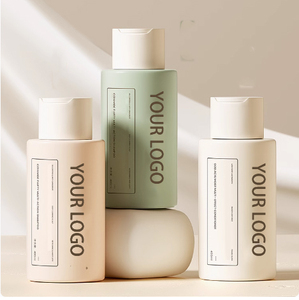
Magnetic Closure Luxury Chocolate Presentation Boxes
Heavyweight greyboard construction with soft-touch lamination, engineered for high-end boutique retail collections.
Inquire Now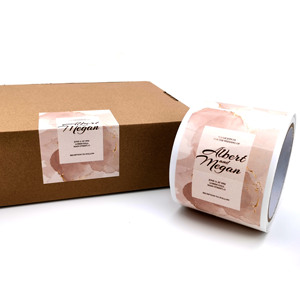
Biodegradable Window Film Chocolate Boxes
PLA plant-based transparent viewing windows combined with recyclable paperboard for sustainable shelf visibility.
Inquire Now
CMYK Printed Flexible Pouches for Chocolate Drops
Food-grade stand-up zipper pouches with degassing options and barrier protection for industrial melting chocolates.
Inquire Now1. Executive Industry Overview: Navigating Chocolate Packaging Sourcing for Belgium
Belgium holds an unchallenged global reputation as the epicenter of premium chocolate craftsmanship. From the historical chocolatiers in Brussels, Bruges, and Antwerp to the industrial giants clustered in Wallonia and Flanders, the nation processes hundreds of thousands of tons of cocoa annually. However, in an increasingly saturated European confectionery landscape, packaging is no longer merely a protective shell—it is an essential brand extension, a key driver of perceived consumer value, and a strict compliance benchmark.
For Belgian procurement directors, brand owners, and contract manufacturers, sourcing high-grade chocolate packaging from top-tier Chinese factories offers an unparalleled strategic advantage. By pairing European structural aesthetics with China’s advanced manufacturing scale, automated box-forming technology, and material innovation, Belgian brands achieve substantial cost optimization without compromising structural integrity or food safety standards.
Key Market Dynamics Driving the Supply Chain:
- Structural Innovation vs. Margin Pressures: Rising raw cocoa prices necessitate higher packaging margins. Premium rigid presentation boxes elevate shelf pricing for gourmet pralines and ballotins.
- Regulatory Alignment with EU PPWR: The European Union Packaging and Packaging Waste Regulation (PPWR) demands strict recyclability, reduction of void space, and elimination of single-use non-recyclable plastics by 2030.
- Food Contact Safety (EC 1935/2004 & EU 10/2011): Zero migration tolerances for mineral oils (MOSH/POSH), heavy metals, and plasticizers are mandatory for entry through Antwerp Port customs.
Core Technical Packaging Competencies
Engineering Specifications Custom-Tailored for Belgian Confectionery Standards
Barrier Engineering
Multi-layer films and coatings designed to block water vapor transmission (WVTR) and oxygen ingress (OTR), preventing bloom on cocoa butter during climate transitions.
FSC® Certified Eco-Boards
Sustainably sourced virgin and recycled paperboard materials certified for full chain-of-custody transparency required across Flanders & Wallonia.
Precision Finishing
State-of-the-art German Heidelberg offset printing, 3D tactile embossing, hot-foil stamping, and scratch-resistant soft-touch matte laminations.
2. Localized Application Scenarios Across the Belgian Chocolate Sector
Sourcing packaging for Belgian chocolate requires a nuanced understanding of regional consumption habits, distribution models, and sales channels. Chinese manufacturing lines are optimized to serve four core localized application scenarios within Belgium:
Scenario A: Luxury Boutique Pralines & Truffles (Brussels, Bruges & Ghent)
Artisan chocolatiers operating in high-end tourist and residential corridors require bespoke ballotins, rigid shoulder boxes, and magnetic flap presentation chests. These boxes require exacting alignment, seamless paper wrapping, and custom-moulded PET or paper-pulp trays to prevent fragile pralines from shifting during retail transport.
Scenario B: Retail & Supermarket Confectionery Chains (Delhaize, Colruyt, Carrefour Belgium)
Mass-market chocolate bars, cocoa tablets, and coated biscuits distributed through major Belgian retail chains require automated packaging compatibility. Chinese factories supply continuous rolls of cold-seal aluminum foil wrappers and flexible flow-pack film optimized for high-speed automated packaging machinery (e.g., Bosch, Sollich lines).
Scenario C: Seasonal & Gifting Campaigns (St. Nicholas, Christmas, Easter, Valentine’s Day)
Seasonal spikes represent up to 45% of annual chocolate sales in Belgium. Sourcing from Chinese OEM suppliers allows Belgian brands to order complex seasonal gift tins, advent calendars, and die-cut window boxes with short lead times and flexible volume scaling.
Scenario D: Bean-to-Bar & Organic Craft Chocolate Outlets
Eco-conscious Belgian craft chocolatiers emphasize minimal carbon footprints. Application scenarios here demand unbleached kraft cardstock, soy-based vegetable printing inks, and compostable cellulose window films that align with local Flemish circular economy mandates.
3. Technical Material & Compliance Matrix
The table below highlights the material grades, barrier performance, and European certification benchmarks provided by leading Chinese manufacturing facilities supplying Belgium:
| Packaging Category | Primary Material Construction | Barrier Properties | EU Compliance Standards | Optimal Application |
|---|---|---|---|---|
| Rigid Gift Boxes | 1000-1600 gsm Greyboard + 157 gsm Art Paper | Structural Rigidity, Light Blocking | FSC Mix, REACH, EN 71-3 | Luxury Pralines, Assortments |
| Foil Wrappers | Alu / PE or Paper / Alu / PE Laminate | High Barrier (WVTR & OTR near zero) | EC 1935/2004, EU 10/2011 | Chocolate Bars, Napolitains |
| Eco Stand-Up Pouches | Kraft Paper / PLA or Paper / EVOH-PE | Medium-High Moisture & Odor Protection | OK Compost Home, DIN CERTCO | Chocolate Buttons, Drops, Callets |
| Printed Roll Labels | Direct Thermal, Synthetic Vinyl, Textured Paper | Waterproof, Oil Resistant, Low Migration Ink | FDA 21 CFR, EU Food Contact | Glass Jars, Ballotins, Tins |
4. Industry Trends Transforming Belgian Chocolate Packaging Procurement
To maintain a competitive edge, Belgian procurement officers must align their Chinese factory sourcing with key regulatory and technological shifts transforming Western Europe:
1. The Transition to Monomaterial & Recyclable Flexible Structures
Traditional multi-layer laminates combining aluminum and unrecyclable plastics are rapidly being replaced by Monomaterial Polypropylene (PP) or PE structures with High-Barrier Nano-Coatings. These modern materials provide identical shelf-life protection for delicate cocoa fats while qualifying for standard Belgian yellow-bag (P+MD) household recycling collection.
2. Elimination of Mineral Oil Hydrocarbons (MOSH / MOAH)
Belgian food safety agencies (FAVV / AFSCA) strictly monitor cross-contamination from recycled paperboard fibers. Top Chinese packaging factories utilize low-migration food-grade virgin fibers or barrier-coated liners to prevent volatile hydrocarbons from permeating chocolate substrates.
3. Smart Anti-Counterfeiting & Traceability Integration
Belgian chocolate exports to North America and Asia face growing counterfeiting risks. Advanced Chinese printers integrate subtle optical security features, unique serialized QR codes, and micro-embossing into packaging artwork to guarantee authenticity from Brussels factory floors to overseas retail shelves.
5. Enterprise Advantages: Why Choose Our Chinese Manufacturing Network
As a premier OEM/ODM manufacturer specializing in food-grade packaging exports to the Benelux region, our factory infrastructure provides decisive operational benefits:
- Class 100,000 Cleanroom Production: Flexible film converting and tray thermoforming are executed under dust-free, hygienic conditions matching pharmaceutical standards.
- Automated Japanese & European Machinery: Utilizing Heidelberg 10-color offset presses and fully automated rigid box forming lines for microscopic folding accuracy.
- Rapid Prototyping & Sample Delivery: Structural CAD samples delivered to Brussels or Antwerp within 3 to 5 business days via express courier.
- Integrated Supply Chain & Logistics: Comprehensive DDP (Delivered Duty Paid) shipping solutions covering sea freight to Antwerp, rail transport via New Silk Road, or direct air freight.
- Dedicated EU Regulatory Team: Full documentation compliance including Certificates of Analysis (CoA), Declaration of Compliance (DoC), and heavy metal test reports.
Frequently Asked Questions (FAQ)
Direct Insights for Belgian Importers, Buyers, and Packaging Engineers
What are the minimum order quantities (MOQs) for custom chocolate packaging?
For custom-printed rigid boxes, our standard MOQ starts at 1,000 to 3,000 units per SKU. Flexible aluminum packaging roll films and stand-up pouches start at 10,000 units or 500 kg of film. We offer trial runs for emerging artisan chocolatiers in Belgium seeking market validation before full container volume commitments.
How do you guarantee compliance with EU Food Contact Regulations (EC 1935/2004)?
Every packaging batch shipped to Belgium is accompanied by an official Declaration of Compliance (DoC). We exclusively use food-safe, low-migration inks and solvents tested by independent labs (SGS, TUV, Intertek). Materials undergo rigorous overall migration testing (OMT) and specific migration limits (SML) testing for heavy metals and phthalates.
What is the typical transit time from Chinese factories to Antwerp Port?
Standard ocean freight from Shanghai or Ningbo to the Port of Antwerp takes approximately 28 to 35 days port-to-port. For urgent seasonal demands, air freight delivers in 5 to 7 days, while trans-Eurasian rail freight provides an efficient middle-ground of 18 to 22 days.
Can you supply thermal insulation solutions for temperature-sensitive shipping?
Yes. In addition to primary and secondary packaging, we manufacture radiant-barrier thermal box liners, insulated bubble bags, and phase-change gel pack sleeves engineered to protect chocolate products against temperature spikes during summer transport across Southern Europe.
How is structural sample approval handled prior to mass production?
After artwork CAD approval, we produce physical 3D structural unprinted or digital printed samples. Once received in Belgium, your engineering team can test box fitment, automated folder-gluer compatibility, and drop testing. Mass production only commences upon written sample sign-off.