1. Executive Summary: Global Seasonal Confectionery Landscape
The global seasonal confectionery market represents one of the highest-margin sectors in food manufacturing, projected to exceed USD 68.5 billion by 2030 with a compound annual growth rate (CAGR) of 5.8%. Driven by peak consumption windows such as Halloween, Christmas, Valentine's Day, Easter, Ramadan/Eid, and Diwali, global retailers and distributors are shifting away from generic commodity candies toward high-value, niche, and custom-formulated seasonal confectionery solutions.
As a premier confectionery manufacturer and exporter operating from our modern industrial facility at 31-Km Ferozpur Road, Lahore, Pakistan, Candy House (Private) Limited serves international importers, retail chains, and brand owners across North America, Europe, the GCC, and Southeast Asia. We bridge the gap between small-batch craft artisan quality and full-scale contract manufacturing, offering OEM and ODM services with full Halal certification, HACCP compliance, and stringent food safety protocols.
Information Gain Insight: Unlike mass-market contract manufacturers relying on ultra-rapid 8-hour chemical gelation, Candy House employs a traditional 48-to-72-hour starch-tray curing process for gummies and slow-tempered bean-to-bar cocoa lines. This structural control yields superior thermal stability (Brix index 78–80°), preventing melting and sticky agglomeration during containerized tropical freight.
2. Comprehensive Analysis of the Top 10 Seasonal Candies Categories
B2B confectionery procurement requires granular understanding of regional flavor preferences, dietary regulations, shelf-life requirements, and thermal resilience during transit. Below is an expert breakdown of the top 10 seasonal candy categories manufactured for global export.
1. Valentine’s Day Heart Pralines & Truffles
Moulded chocolate pralines featuring hazelnut, caramel, and fruit ganache fillings. Tempered dark and milk chocolate formulations with rigid gift box integration. High aesthetic precision ensures zero bloom during winter transit.
2. Easter Pectin & Gelatin Marshmallow Gummies
Egg-shaped, bunny-formed starch-moulded gummies featuring vibrant fruit juice concentrates. Formulated with citrus pectin for gelatin-free vegan lines or bovine gelatin for elastic chews preferred in Western markets.
3. Halloween Sour Jelly Ropes & Trick-or-Treat Mix
Citric-malic dusted sour jelly ropes, candy corn, and individually cello-wrapped novelty lollipops. Formulated with stable pH balances to prevent sugar weeping in moisture-dense autumn environments.
4. Christmas Peppermint Canes & Cocoa Truffle Tins
Hand-pulled striped peppermint lollipops alongside cocoa-dusted 11g dark chocolate ganache spheres packed in food-grade lithographed keepsake tins for airport duty-free and premium grocery channels.
5. Ramadan & Eid Celebration Artisan Gift Boxes
Date-infused chocolate bars, pistachios pralines, and soft honey toffees. 100% certified Halal production using non-alcoholic vanilla extracts and vegetable-based emulsifiers tailored for GCC and South Asian buyers.
6. Diwali Festive Sweet & Nutty Chocolate Stacks
Rich milk chocolate slabs loaded with whole roasted almonds, cashews, and caramel. High thermal resistance up to 26°C for tropical autumn delivery without cold-chain degradation.
7. Spring Festival Golden Coin & Hard Candies
Panned hard-shell fruit chews and gold foil-wrapped milk chocolate coins symbolic of prosperity, cooked in 40kg copper batches at 148°C for crisp clarity and 24-month extended shelf stability.
8. Autumn Harvest Spice & Nut Toffee Bars
Butter-rich hard toffees enrobed in milk chocolate and topped with crushed pecan or walnut. Formulated with controlled moisture content (< 2%) to prevent stickiness inside pillow packs.
9. Summer Refreshment Tropical Citrus Drops
High-Brix sour lemon, passionfruit, and mango hard drops enriched with Vitamin C. Engineered specifically to resist humidity and melting during warm weather retail display.
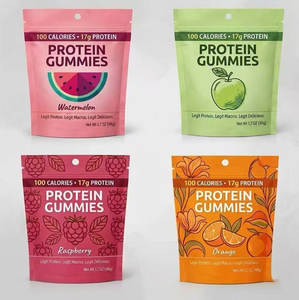
10. Functional & High-Protein Energy Gummies
Active lifestyle gummies fortified with plant protein isolates, B-complex vitamins, and natural guarana caffeine—combining seasonal snacking joy with functional sports nutrition benefits.
3. Future B2B Procurement Trends in Seasonal Confectionery (2025–2030)
The global seasonal candy market is undergoing structural shifts driven by changing consumer demographics, stringent regulatory oversight, and global supply chain vulnerabilities. Procurement managers must adapt their sourcing strategies to match five critical evolution vectors:
A. Clean Label & Natural Colorant Migration
Synthetic food dyes (Red 40, Yellow 5, Blue 1) are increasingly restricted in European and North American retail. Modern seasonal candy lines utilize natural color extracts derived from purple carrot, spirulina, turmeric, and paprika. Importers are requiring full transparency on ingredient sourcing, requiring suppliers to deliver clean-label declarations without compromising color brightness or shelf life.
B. Gelatin Substitutions & Dietary Inclusivity
The demand for Halal, Kosher, and vegan-certified confections has transitioned from a niche requirement to a primary buying criterion. High-grade citrus and apple pectins are replacing animal gelatin in gummy production. Pectin gummies feature a clean bite, higher temperature resistance (melting point above 40°C compared to gelatin’s 35°C), and lower stickiness during ocean transit through equatorial shipping lanes.
C. Functional & Nutraceutical Hybrid Confections
Seasonal gifting is expanding into health-conscious categories. Incorporating functional ingredients—such as elderberry extract for winter holiday gummies, electrolyte balances for summer confectionery drops, and pea-protein isolates in sports candy chews—allows retailers to command premium retail price points ($4.50–$7.00 per unit vs $1.99 for generic sugar candy).
D. Sustainable, Circular & Nitrogen-Flushed Packaging
Environmental packaging regulations in the EU and UK mandate recyclability. B2B buyers now mandate FSC-certified paperboard for gift boxes, biodegradable film sleeves, and recyclable mono-material bulk bags. Furthermore, nitrogen-flushing technology during pouch filling extends product freshness by reducing oxygen levels below 1.5%, preventing cocoa fat oxidation and nut rancidity.
4. Technical Specification Matrix & Comparative Buyer Benchmarks
To assist procurement teams in evaluating factory capabilities, the following matrix outlines the key operational specifications across our major seasonal candy manufacturing lines at Candy House (Private) Limited.
| Product Line | MOQ (Per SKU) | Shelf Life | Primary Formats | Brix / Moisture | Export Lead Time |
|---|---|---|---|---|---|
| Handcrafted Chocolate Bars | 500 kg | 12 Months | 80g / 150g Sleeved Bars | Moisture < 1.2% | 18 – 25 Days |
| Truffles & Pralines | 300 kg | 9 Months | Rigid Boxes / Tin Trays | Aw < 0.62 | 20 – 28 Days |
| Gummies & Sour Jellies | 300 kg | 12 Months | 40g / 150g Pouches, 1kg Bulk | Brix 78–80° | 12 – 18 Days |
| Hard Candy & Lollipops | 400 kg | 24 Months | Twist Wrap, 5kg Pails | Moisture < 1.8% | 12 – 18 Days |
| Marshmallows & Toffees | 250 kg | 9-12 Months | Pillow Packs, Jars, Gift Boxes | Aw < 0.65 | 15 – 22 Days |
5. Enterprise Advantage: Why Global Importers Partner with Candy House
Candy House (Private) Limited operates as a high-precision contract manufacturer and exporter located in Lahore, Pakistan. Our facility integrates craft confectionary skill with structured chemical quality control, ensuring every batch meets international import standards.
In-House Food Technology Lab
Every manufacturing lot undergoes Brix validation, water activity (Aw) measurement, and microbial screening. We provide batch-specific Certificates of Analysis (COA) detailing heavy metal, allergen, and microbiological testing.
Turnkey Private Label & Packaging Design
Our dedicated packaging design team produces dielines, 3D renders, barcode registration, and multi-language nutrition panel conversions (FDA, EFSA, GCC Standards) at zero design fee for contract buyers.
Strategic Export Logistics (FOB Karachi)
Situated with direct logistics transport to Karachi Port, we manage consolidated LCL shipments and full 20ft/40ft reefer container loads. Temperature-monitored loading protects heat-sensitive chocolate during cargo staging.
6. B2B Seasonal Candy Procurement FAQ
What is the minimum order quantity (MOQ) for private label seasonal candy?
Private label production starts at 300 kg per recipe for gummies and jelly candies, and 500 kg per SKU for moulded chocolate products. First-time importers can request 100 kg sample trial runs to evaluate retail performance before full container commitments.
How are heat-sensitive chocolates and gummies protected during transit?
We employ thermal container liners, phase-change gel packs, and refrigerated (reefer) container shipping set between 15°C to 18°C. For non-reefer routes, our high-Brix gummies (78-80°) and modified cocoa-butter formulas ensure structural integrity up to 26°C.
Are all products manufactured under certified Halal guidelines?
Yes. All Candy House manufacturing lines are 100% Halal certified by default. We utilize non-animal pectin options, plant-derived emulsifiers (soy/sunflower lecithin), and alcohol-free natural flavorings.
What is the production and shipping timeline for custom holiday orders?
Standard catalogue items ship within 12 to 18 working days following artwork approval. Fully bespoke recipes requiring custom aluminum or silicone moulds require 25 to 35 working days. Transit from Karachi Port takes 7–10 days to the GCC, 22–28 days to Europe, and 30–38 days to North America.
Can multiple candy categories be consolidated into a single shipping container?
Yes. Because our Lahore facility operates dedicated production bays for hard candies, chocolates, gummies, toffees, and packaging lines under one roof, buyers can combine multiple SKUs within a single 20ft or 40ft container to optimize freight costs.
Ready to Launch Your Seasonal Confectionery Line?
Connect directly with our food technologists and OEM project leaders to request custom samples, recipe modifications, and FOB/CIF quotation breakdowns.