Confectionery Insights & News
Industry trends, private label manufacturing guides, and export knowledge from our Lahore workshop.
Export-Ready Product Lines & Private Label Solutions
Comprehensive plant-based confectionery manufacturing, functional gummies, botanical drinks, and custom retail packaging solutions for global B2B importers.
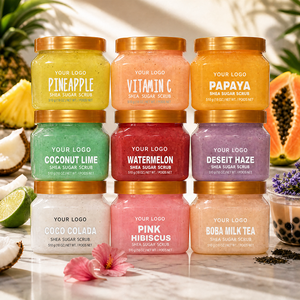
Private Label Organic Shea & Cocoa Exfoliating Body Scrub
Formulated with pure cold-pressed cocoa butter and organic shea butter. Hydrating exfoliation designed for premium skincare lines and gourmet brand extensions.
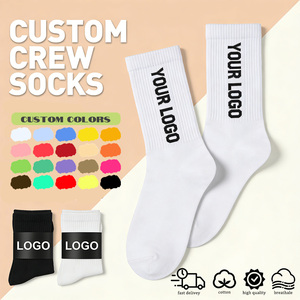
Custom Branded Cotton Merchandising Crew Socks
High-density combed cotton breathable socks with customized Jacquard logo branding. Premium promotional assets for corporate food gifts and retail confectionery bundles.
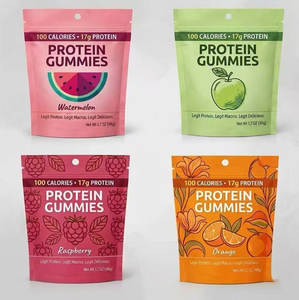
Customized High Protein Vegan Gummies & Active Snacks
Pectin-based functional gummies engineered for sports nutrition. Enhanced with plant proteins and BCAA complexes for muscle recovery and active wellness markets.
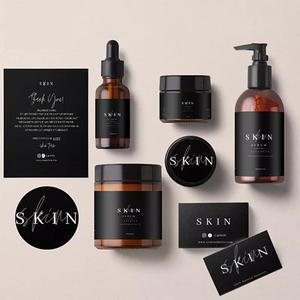
Custom Food-Grade Cosmetic & Confectionery Packaging Stickers
High-resolution adhesive paper and foil stickers with metallic stamping. Fully customizable die-cut labels for luxury chocolate boxes and botanical jars.
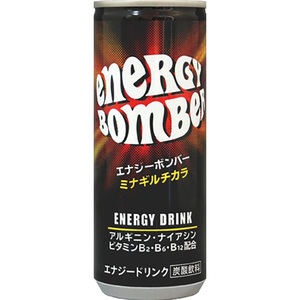
Natural Botanical Caffeine Energy Drink (250ml Can OEM)
Private label energy drink formulated with natural caffeine, guarana, and plant extracts. Perfectly pairs with chocolate and functional snack export catalogs.
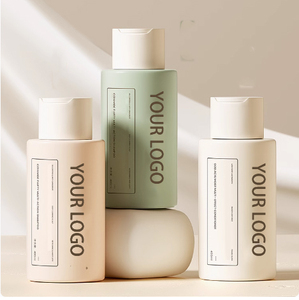
Natural Organic Plant Ingredient Cleansing Care Set
Private label deep-cleansing hair and personal care line formulated with plant seed oils and natural botanicals. Free from sulfates, parabens, and animal fats.
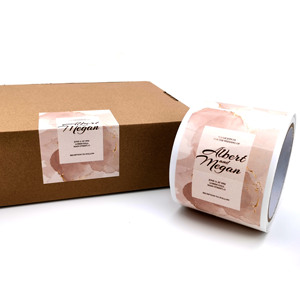
Waterproof Vinyl Adhesive Packaging Rolls for Chocolate Jars
CMYK precision printed vinyl round label rolls. Water and oil resistant, engineered for automatic high-speed candy container labeling machines.
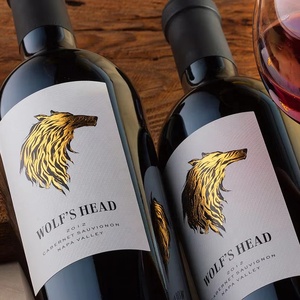
Bespoke Beverage & Gourmet Confectionery Bottle Labels
Custom shape and size waterproof labels featuring metallic foil trim. Ideal for specialty vegan syrup bottles, liqueur chocolates, and luxury gifts.
📊 Executive Whitepaper: The Evolution of Vegan Chocolate Sourcing in China
The global plant-based chocolate sector is undergoing an unprecedented structural shift. Projected to exceed USD 4.2 Billion by 2030 at a CAGR of 13.8%, consumer demand has expanded beyond niche ethical lifestyle choices into mainstream health, allergen-conscious, and environmental sustainability sectors. China has rapidly emerged as a world-class hub for advanced plant-based food manufacturing, combining state-of-the-art cocoa processing technology, ultra-clean processing facilities, and robust global supply chain integration.
Historically, European chocolate manufacturers dominated the premium cocoa sector. However, Chinese B2B chocolate manufacturers have disrupted the market through massive investments in five-roll refining technology, micro-encapsulation, and non-dairy emulsification science. Modern global procurement directors now recognize China not only as a cost-effective manufacturing location, but as an innovative technological partner capable of resolving the complex technical challenges inherent in dairy-free chocolate formulations.
This whitepaper serves as an industry benchmark for international food importers, retail brand owners, private label distributors, and food service buyers seeking to establish reliable OEM/ODM supply chains with top-tier Chinese vegan chocolate manufacturers.
🔬 Technical Formulation Science: Overcoming the Dairy-Free Barrier
Replicating the indulgent melt-in-the-mouth texture, snap, and gloss of traditional milk chocolate without utilizing bovine milk solids requires sophisticated lipid engineering and rheological control. Top Chinese manufacturers have developed proprietary methods to solve key technical roadblocks:
- Alternative Milk Matrix Optimization: Substituting milk powder with oat solids, coconut cream powder, hydrolyzed rice flour, or almond flour. Oat flour, enriched with beta-glucans, provides a neutral flavor profile and smooth viscosity without masking the subtle fruity or nutty notes of cocoa solids.
- Particle Size Reduction (Micro-Refining): Traditional dairy-free chocolates often suffer from a gritty texture due to insolubility in plant proteins. Leading Chinese factories utilize high-precision 5-roll refiners that reduce cocoa mass and plant matrices to under 18 microns, guaranteeing a silky smooth mouthfeel equal to conventional Swiss or Belgian milk chocolates.
- Fat Bloom & Thermal Stability Engineering: Dairy-free chocolates are particularly sensitive to temperature fluctuations during international ocean transit. By optimizing cocoa butter crystallization through continuous automatic tempering machines and precise seed-crystal addition (V-type beta crystals), Chinese exporters ensure shelf-stable resistance to fat bloom at temperatures up to 32°C.
- Emulsification Systems: Replacing animal-derived emulsifiers or soy lecithin with non-GMO sunflower lecithin and polyglycerol polyricinoleate (PGPR) optimizes yield stress and plastic viscosity, allowing smooth enrobing and precise molding for complex geometric chocolate bars.
⚡ B2B Technical Benchmark Matrix: Formulation Performance Analysis
The matrix below compares key technical attributes across traditional dairy chocolate, standard plant-based alternatives, and China’s advanced pure cocoa butter vegan chocolate formulations.
| Performance Metric | Standard Dairy Chocolate | Basic Vegan Compound Chocolate | China Advanced Vegan Pure Cocoa Butter |
|---|---|---|---|
| Fat Phase Composition | Cocoa Butter + Milk Fat | Hydrogenated Palm / CBS / CBR | 100% Deodorized & Natural Cocoa Butter |
| Refined Particle Size | 15 µm – 20 µm | 25 µm – 35 µm (Gritty) | < 18 µm (Micro-Refined) |
| Melting Point Range | 33.8°C – 34.5°C | 35.5°C – 37.0°C (Waxlike) | 34.0°C – 34.8°C (Clean Sharp Melt) |
| Viscosity (Casson Yield Value) | 1.5 – 3.0 Pa·s | 4.5 – 7.0 Pa·s | 1.8 – 3.2 Pa·s (Optimal Enrobing) |
| Allergen Security | Contains Lactose / Casein | Cross-contamination risk | Dedicated 100% Vegan Allergen-Free Line |
| Shelf Life Stability | 12 Months | 12 - 18 Months | 18 - 24 Months (Nitrogen Flushed) |
🏭 OEM/ODM Enterprise Superiority & Infrastructure Advantages
Partnering with premier Chinese vegan chocolate manufacturers offers global buyers distinct operational, technical, and economic benefits:
Dedicated Allergen-Free Production Facilities
To comply with stringent EU, US FDA, and Gulf import regulations, top facilities maintain completely segregated, dairy-free, nut-controlled cleanrooms operating under ISO22000 and BRCGS Grade A standards, eliminating cross-contamination risks.
Vertical Supply Chain Integration
By directly sourcing raw cocoa beans from certified West African and South American co-operatives and processing cocoa liquor, butter, and powder in-house, Chinese factories reduce intermediate costs while enforcing strict trace-to-farm accountability.
Agile Private Label Customization (OEM/ODM)
From custom engraved chocolate bar molds and sugar-free formulations (Maltitol, Erythritol, Monk Fruit) to functional additives (Ashwagandha, Lions Mane, Plant Proteins), Chinese R&D teams deliver fully customized samples within 7 to 10 working days.
📈 Future Procurement & Product Market Trends (2025–2030)
Global food procurement teams must align their strategic sourcing models with rapidly evolving consumer behavior and regulatory frameworks. The following major trends are shaping the future of vegan chocolate manufacturing and export:
1. Convergence of Functional Health & Confectionery (Nutraceutical Chocolate): Consumers increasingly demand "indulgences with benefits." Future procurement will focus heavily on dark vegan chocolate enriched with adaptogens, gut-friendly probiotics, marine collagen alternatives, and nootropics. Manufacturers in China are leading this space by utilizing low-temperature conching processes that preserve delicate bio-active compounds.
2. Eco-Conscious Packaging & Supply Chain Decarbonization: International retailers (such as European supermarket chains) require strict compliance with recyclable, compostable, or plastic-free secondary and primary packaging. Chinese exporters are integrating home-compostable barrier films, FSC-certified paper wrappers, and soy-based ink printing across all private-label production lines.
3. Clean Label & Zero Artificial Additive Mandates: Ultra-processed foods are undergoing intense scrutiny. Modern buyers are stripping back ingredients to minimalist formulas: Single-origin cocoa mass, cocoa butter, unrefined coconut sugar, and oat solids. Eliminating artificial flavors, synthetic preservatives, and palm oil is now a non-negotiable prerequisite for top-tier retail listings.
4. Dynamic Cold-Chain Freight Resilience: Rising global temperatures pose continuous logistical risks to heat-sensitive chocolate during sea freight. Future-proof exporters employ specialized insulated thermal liners, continuous IoT temperature-monitoring data loggers, and strategic reefer container loading protocols from major Chinese ports (Shanghai, Ningbo, Qingdao, Shenzhen).
❓ Comprehensive B2B Procurement FAQ
Essential answers to critical questions asked by international buyers, import agents, and brand owners during factory audits and vendor selection.
Q1: How do Chinese manufacturers prevent dairy cross-contamination in vegan chocolate?
Leading manufacturers operate physically separated manufacturing lines or dedicated plant-based facilities. Cleaning and sanitation follow validated CIP (Clean-In-Place) procedures. Every production batch undergoes ELISA swab testing to verify milk protein levels remain below the 2.5 ppm detection limit, fulfilling international non-dairy and vegan certification criteria.
Q2: What is the minimum order quantity (MOQ) for custom private label vegan chocolate bars?
Standard minimum order quantities for fully customized foil-wrapped and boxed private label chocolate bars start at 500 kg to 1,000 kg per flavor SKU. For catalog stock recipes utilizing generic outer packaging with custom adhesive labeling, trial orders can start as low as 200 kg.
Q3: Can your facility produce sugar-free or low-glycemic vegan chocolate?
Yes. Our R&D team formulates keto-friendly and diabetic-safe vegan dark and milk-style chocolates using natural sugar alcohols and plant sweeteners such as Erythritol, Stevia, Maltitol, or Monk Fruit, maintaining optimal crystallization kinetics and taste profile.
Q4: How is heat stability managed during summer maritime transport?
For warm-climate destinations or summer shipments, we utilize reefer (refrigerated) containers maintained at a constant 15°C to 18°C. Additionally, outer cartons are wrapped in multi-layer thermal insulation blankets, and IoT temperature loggers are included to record humidity and thermal conditions throughout transit.
Q5: What certifications are provided for international customs clearance?
Full export documentation is provided for every shipment, including Certificate of Analysis (COA), Health Certificate, Certificate of Origin (COO), ISO22000 / HACCP / BRCGS certificates, Halal Certification, Kosher compliance, and complete ingredient quantitative breakdown declarations.
Q6: What is the typical lead time from contract signing to port delivery?
For standard catalog formulations, lead times are approximately 14 to 20 business days. Fully customized ODM projects requiring custom stainless steel chocolate molds and bespoke printed packaging require 30 to 40 calendar days for initial rollout.
Ready to Launch Your Premium Vegan Chocolate Line?
Connect with our OEM/ODM technical engineering team today. Request free sample kits, technical spec sheets, and factory direct quotations.