In 2026, choosing a wholesale supplier for Sugar Coated Sour Candies means looking beyond the bright coating and sharp first bite. Buyers need clear product specifications, dependable communication, and samples that match the candies they will actually receive. A lemon piece should taste lively, not merely look yellow. The sugar shell should stay crisp in its packaging. Small details matter.
For a properly sourced expert perspective, include a verified quotation from a named confectionery specialist: “[Insert an exact, published quote about candy sourcing, product quality, or consistency]”—[Verified expert name and role]. No source material was provided to confirm a real expert’s name or words, so inventing a quotation would undermine trust. That detail is easy to overlook.
This guide will help retailers, distributors, and event suppliers compare potential wholesale sources with practical questions in mind. Ask about minimum order quantities, available flavors, packaging formats, sample policies, and typical lead times. Check whether product descriptions explain the candy’s texture and sourness, rather than relying on photographs alone. A glossy image can hide a coating that softens in transit. A low price can still cost more if the product arrives late or differs from the sample. Compare offers carefully. The best supplier is not always the one with the largest catalog. It is the one whose product, service, and terms fit your actual needs—and whose claims you can verify.
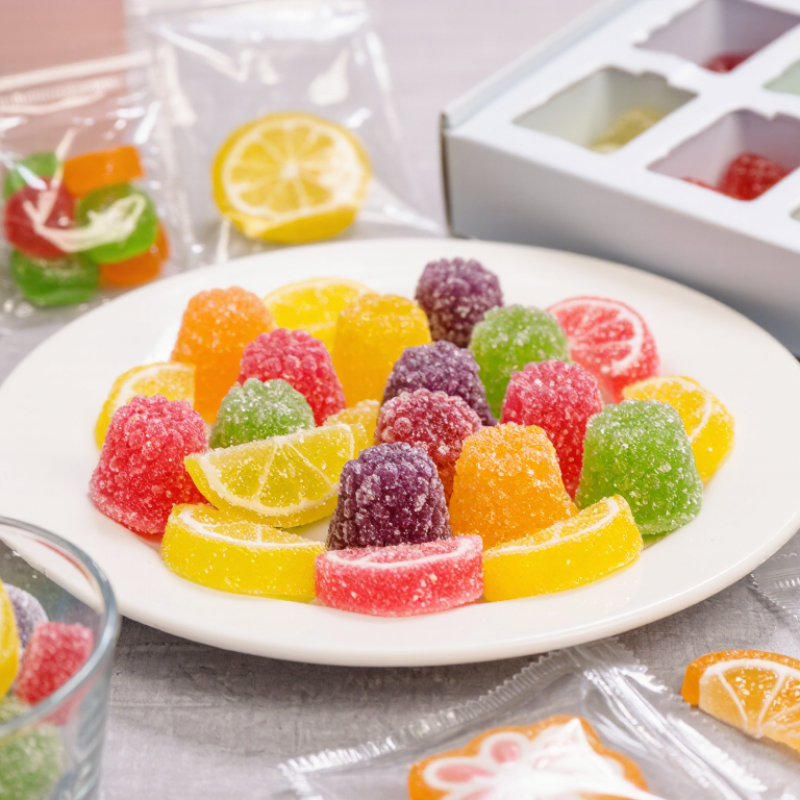
Sugar-coated sour candies combine a crisp, sweet shell with a tart center. Their texture depends on even coating, controlled drying, and moisture-resistant packaging. For wholesale purchases, compare manufacturers, confectionery distributors, and cash-and-carry suppliers. Ask for minimum order quantities, case counts, ingredient specifications, and shelf-life details. The National Confectioners Association’s 2024 State of Treating report found that 82% of consumers believe candy can fit into a balanced lifestyle. That figure covers candy broadly, not sour candies alone, so it should not be treated as a demand forecast.
Check landed cost, not just the quoted price. Freight, damaged pieces, and slow-moving flavors can change the real margin. Request recent production samples and batch documentation, including allergen statements and lot traceability. Look closely at whether the sugar coating stays dry after opening; a sample can taste excellent and still disappoint in storage. I would test a small order before committing to a full pallet.
Tips: Compare samples side by side, then store one opened pack under your usual shop conditions. Record texture and flavor after a few days. Also confirm case dimensions and best-before dates before ordering.
Wholesale sourcing in 2026 usually means comparing three channels: manufacturers, regional distributors, and B2B marketplaces. Direct factory orders may offer more control over sour coating, colors, and pack sizes, but minimum quantities can be steep. Regional distributors can be easier for mixed pallets and shorter replenishment windows. Fast, but uneven.
Online B2B marketplaces help buyers compare specifications and request quotes across suppliers. Treat listings as a starting point, not proof of quality. Request a current specification sheet, ingredient and allergen details, production dates, shelf-life data, and a sample from the actual production line. Ask for landed pricing, including freight and any handling charges. Small test orders matter. A glossy sample can hide inconsistent coating thickness or candy that sticks together in a warm carton.
Demand provides useful context, though it does not guarantee sales for a particular product. The National Confectioners Association’s 2024 State of Treating report valued U.S. confectionery sales at $54.2 billion in 2023. That figure covers the wider confectionery category, not sugar-coated sour candy alone. Buyers should therefore test carton sizes and reorder speed before committing to a large volume. I would also check how each supplier handles damaged cases; that small detail is easy to overlook.
For sugar coated sour candies in 2026, a dependable wholesale supplier should offer more than a low quote. Check whether delivery dates, minimum orders, and production capacity are clearly documented. Ask for recent batch records and a sample from the same production line you may order from. Promises sound reassuring. Paper trails are better.
Inspect the candy closely. The sour sugar should coat pieces evenly, without damp clumps or bare patches. Ask how the supplier controls humidity during production and storage, since moisture can soften the coating in transit. Taste samples from multiple bags, not just one. Note the texture after opening and again the next day. I would not judge consistency from a single tasting; that shortcut is tempting, but weak.
Compliance deserves equal attention. Request ingredient and allergen statements, lot codes, shelf-life details, and documentation for food-contact packaging. Confirm that labels and records meet the requirements of the destination market, and have a qualified reviewer check any uncertainty. A certificate alone does not prove every shipment is compliant. Traceability matters: the supplier should be able to connect a finished case to its production date and ingredient lots. If answers arrive late or change between emails, pause before committing. One detail is easy to overlook: ask how complaints and quality problems are recorded.
For sugar-coated sour candies, compare quotes from confectionery manufacturers, importers, and specialist wholesalers. Ask for the same pack size, candy weight, coating specification, and shelf life. A low carton price can hide thinner coating or costly freight. Small print matters.
The National Confectioners Association’s 2024 State of Treating report puts U.S. confectionery sales at roughly $48 billion in 2023. That figure covers a broad category, not sour candies alone, but it signals a competitive market. Request tiered pricing at several quantities, then calculate landed cost per kilogram, including freight, insurance, and any import charges. Check whether the minimum order applies per flavor, carton, or full pallet. A mixed pallet may suit a small shop, while a larger order can lower unit costs but tie up cash.
Delivery terms deserve equal attention. Get the dispatch date, estimated transit window, shipment tracking, and responsibility for loss or damage in writing. Under ICC Incoterms 2020, named delivery points clarify when costs and risks transfer; the term alone does not guarantee an arrival date. Ask how candy is packed against heat and humidity, and request recent batch documentation. I would still treat estimates cautiously: seasonal congestion can move delivery dates, even when a quote looks precise.
Indicative planning ranges for standard sugar-coated sour candies in bulk. Prices are in USD per kilogram and are not live quotations; confirm product specifications, availability, and shipping costs with suppliers before ordering.
| Wholesale Source | Indicative Price (USD/kg) | Typical Minimum Order | Typical Lead Time | Common Delivery Terms | Best Suited For |
|---|---|---|---|---|---|
| Local cash-and-carry wholesaler | $5–$10 | 5–20 kg | Same day to 5 business days, subject to stock | Collection or domestic parcel/freight delivery; shipping usually charged separately | Small retailers, event orders, and buyers testing demand |
| Regional food-service or confectionery distributor | $4–$8 | 10–100 kg | 2–10 business days for stocked items | Domestic delivery; minimum order value or delivery fees may apply | Retailers and food-service buyers needing repeat replenishment |
| Confectionery manufacturer, standard product | $2.50–$5.50 | 500–1,000 kg | 4–10 weeks, depending on production schedule | EXW or FOB for export orders; domestic freight may be quoted separately | Large-volume buyers seeking factory pricing on existing recipes |
| Manufacturer, custom flavor or packaging | $3.50–$7.00 | 1,000–3,000 kg | 6–14 weeks, including sampling and production | EXW, FOB, or a separately quoted delivered option; packaging and setup costs may apply | Buyers requiring customized flavors, colors, or pack formats |
| Import wholesaler or trading intermediary | $2.80–$6.00 | 250–1,000 kg | 3–10 weeks, depending on inventory and transit | FOB, CIF, or domestic delivered pricing; clarify who handles customs and import charges | Buyers seeking imported bulk stock without arranging direct factory sourcing |
Comparison notes: Prices vary with recipe, sugar and acid coating, candy size, packaging, order volume, origin, and exchange rates. Freight, insurance, duties, taxes, testing, and packaging artwork may not be included. For a comparable quote, specify the product format, pack size, destination, order quantity, shelf-life requirement, and requested delivery term.
Where to Buy Sugar Coated Sour Candies Wholesale in 2026?
Choosing a supplier starts with product consistency, not just the lowest case price. The National Confectioners Association’s 2024 State of Treating report put U.S. confectionery sales at $48 billion in 2023. That figure covers the wider category, not sour candies alone, but it shows the scale of the market. Ask suppliers for current specifications, ingredient details, case dimensions, minimum order quantities, and realistic lead times. A neat sample bag means little if the bulk shipment arrives with cracked shells or uneven sour coating.
Get a written quote that separates product cost, freight, and any setup fees. Confirm the production date, best-before period, storage conditions, and how damaged cases are handled. Request samples from the same product line you plan to order. Then compare color, coating adhesion, chew, and sourness across pieces. Small differences matter. A bright red candy may sell well in one shop and sit untouched in another; test with your actual customers before committing to a large order. I would not skip that step, even when the supplier seems reliable.
Tips: Start with a trial quantity and record customer feedback. Ask whether the supplier can maintain the same recipe and packaging across repeat orders. Save the quote and product specifications for comparison. If a promise sounds vague, ask for it in writing.
Even coating, controlled drying, and moisture-resistant packaging help keep the shell crisp. Storage matters too. An opened sample may soften after a few days.
Buyers can compare manufacturers, regional distributors, and online B2B marketplaces. Direct orders may offer more product control, but minimum quantities can be steep. Fast, but uneven.
Ask for ingredient and allergen details, shelf-life data, production dates, batch records, and lot traceability. Request a sample from current production. Paperwork matters.
Match pack size, candy weight, coating specifications, and shelf life. Add freight, insurance, handling, and other charges to find the landed cost. Small print matters.
Check whether the minimum applies per flavor, carton, or full pallet. A mixed pallet may suit a smaller shop, while larger orders can tie up cash.
Confirm dispatch dates, estimated transit windows, tracking, and responsibility for loss or damage in writing. Named delivery points clarify cost and risk transfers, but do not promise an arrival date.
A polished sample may hide uneven coating or candies sticking together in a warm carton. Store an opened pack under normal shop conditions and check it after several days. Easy to miss.
No. Broad category figures include many kinds of candy, not just sugar-coated sour candies. Test carton sizes and reorder speed; a market statistic cannot guarantee sales.
In 2026, businesses looking to buy Sugar Coated Sour Candies wholesale can explore several sourcing channels, including confectionery distributors, specialist wholesalers, trade marketplaces, and direct suppliers. Each option may differ in product selection, order flexibility, pricing, and delivery reach. Before choosing a source, clarify the candy’s flavor, texture, packaging, shelf life, and intended sales market so you can compare offers on a like-for-like basis.
Assess each supplier’s reliability by reviewing product specifications, samples, quality controls, and relevant food-safety documentation. Compare unit prices alongside minimum order quantities, shipping charges, lead times, payment terms, and policies for damaged or delayed orders. Once you have shortlisted a suitable supplier, confirm all specifications and delivery details in writing, begin with an order that fits your inventory needs, and keep records of the transaction. A careful comparison can help you balance product quality, cost, and dependable delivery.