Confectionery Insights & News
Industry trends, private label manufacturing guides, and export knowledge from our Lahore workshop.
China Top 10 Sour Jelly Candies Suppliers?
Table of Contents
China’s confectionery industry has become an important sourcing destination for buyers seeking Sour Jelly Candies. This guide introduces ten notable Chinese suppliers for wholesale, private-label, and customized candy projects. It focuses on practical factors rather than popularity alone.
Sour Jelly Candies can differ greatly in flavor, texture, acidity, shape, and shelf stability. A colorful sample may look attractive, yet its taste can disappoint. Buyers should examine ingredient lists, allergen controls, production capacity, packaging options, and export experience. Factory audits and clear communication also matter. Samples reveal differences.
The selection considers suppliers with relevant manufacturing experience, documented quality systems, and flexible product development services. Important evidence may include food safety certifications, batch records, laboratory testing, and traceable raw materials. Packaging should protect the candy from humidity, especially during long-distance shipping. Small details matter. A sticky surface or weak seal can create costly problems.
This overview is not an absolute ranking. Supplier strengths may change with equipment upgrades, management decisions, or order volume. Some information can also become outdated. That limitation matters. Readers should request current certificates, production samples, test reports, and written quotations before choosing a partner. Direct factory communication remains essential.
The goal is to help importers, distributors, and brand owners compare options more carefully. Reliable sourcing requires patience, technical questions, and realistic expectations. The best supplier is not always the largest one. It is the partner that consistently delivers safe, compliant, attractive, and commercially practical Sour Jelly Candies.
What Are Sour Jelly Candies and Why Are They Popular?
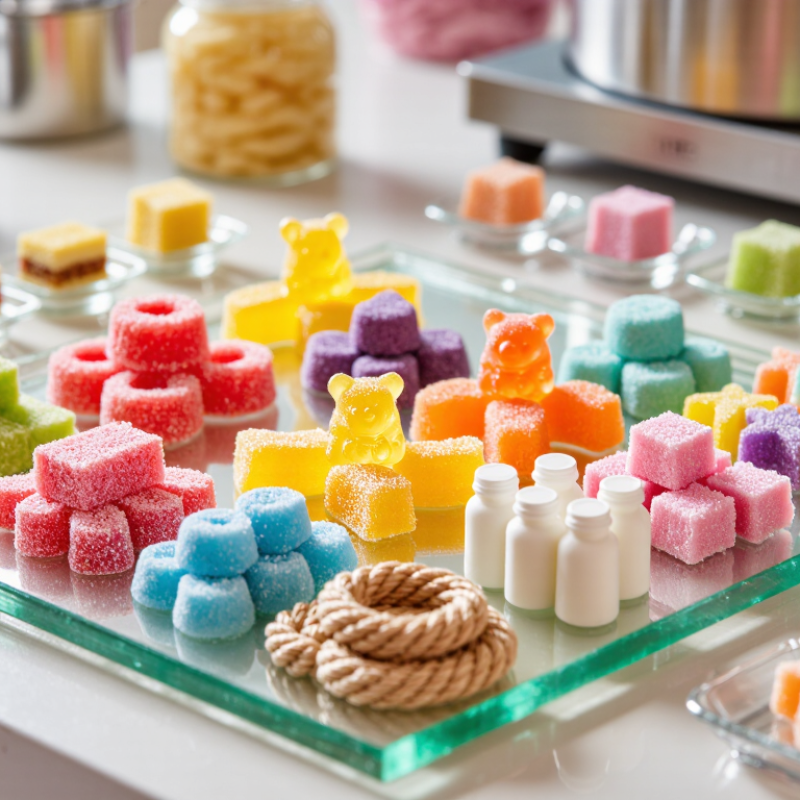
Sour jelly candies are soft, elastic sweets made with sugar, glucose syrup, gelling agents, acids, and food-grade flavors. Their sharp taste usually comes from citric, malic, or lactic acid. A sugar coating can intensify the first bite, while gelatin, pectin, or starch creates the chewy texture.
Their popularity comes from contrast: bright fruit flavor, a quick sour shock, and a slower sweet finish. Grand View Research estimated the global gummy market at about USD 19.5 billion in 2023, with strong growth expected through 2030. This figure covers more than sour products, so it should not be treated as a direct sour-jelly measurement. Still, it shows the scale of the wider chewy-candy category. Innova Market Insights also reported continued consumer interest in bold flavors and playful textures in its 2024 confectionery trend coverage. Younger shoppers often seek sensory experiences, not only sweetness.
Tips: When evaluating China-based suppliers, ask for acidity specifications, pH records, texture samples, allergen controls, and recent laboratory tests. Check whether the sour coating remains stable in humid storage. Packaging matters too. A candy that clumps after shipping is not a successful product. The category is not perfectly defined, and supplier claims deserve careful verification. Small sample tests can reveal more than polished catalogs.
How to Evaluate Sour Jelly Candy Suppliers in China
China Top 10 Sour Jelly Candies Suppliers?
When evaluating sour jelly candy suppliers in China, look beyond price and product photos. Request samples from each factory, then check flavor strength, chewiness, color stability, and packaging quality. A reliable supplier should provide ingredient specifications, production records, and clear batch traceability. Ask whether testing covers allergens, microbiological safety, heavy metals, and shelf life. Certificates matter, but current test reports matter more.
Visit the factory when possible. Observe material storage, cleaning routines, moisture control, and production flow. Confirm the supplier’s equipment can handle your desired shapes, fillings, and packaging sizes. Discuss minimum order quantities, sample fees, lead times, payment terms, and corrective actions for defects. A low quotation can be attractive. It can also hide weak quality control. That was my own early mistake.
Tips: Compare at least three samples under the same conditions. Keep pieces for several weeks and check texture changes, oil leakage, and package sealing. Ask for a small trial order before signing a large contract. Communication deserves attention too. Suppliers should answer technical questions directly, not only send sales language. Review their export experience and destination-market requirements with an independent compliance professional. Records may look perfect, yet a factory visit can reveal practical gaps. Reliability is proven through repeated results, not one impressive sample.
China Top 10 Sour Jelly Candies Suppliers? - How to Evaluate Sour Jelly Candy Suppliers in China
A practical, company-neutral scorecard for comparing sour jelly candy suppliers without displaying company or brand information.
| No. | Evaluation Dimension | Suggested Weight | What a Strong Supplier Should Demonstrate | Documents or Checks to Request | Risk if Weak |
|---|---|---|---|---|---|
| 1 | Food Safety Certification | 18% | A valid, independently audited food-safety certification, such as BRCGS Food Safety, FSSC 22000, or ISO 22000, covering the relevant candy production site. | Current certificate, scope of certification, issuing body, expiry date, latest audit findings, and production-site address. | High |
| 2 | Regulatory and Labeling Compliance | 15% | Capability to prepare product information for the destination market, including ingredients, allergen declarations, nutrition information, net quantity, lot identification, and shelf-life labeling. | Destination-market label draft, ingredient specification, regulatory review records, and third-party compliance test reports. | High |
| 3 | Allergen and Cross-Contact Control | 10% | Documented allergen-management procedures covering raw-material approval, line changeover, cleaning, storage, production scheduling, and label verification. | Allergen matrix, cleaning validation records, supplier declarations, traceability records, and finished-product test results when applicable. | High |
| 4 | Product Specification Consistency | 12% | Stable control of piece weight, dimensions, texture, color, moisture, acidity, sweetness, and sourness across production batches. | Approved product specification, batch COA, retained samples, tolerance limits, complaint history, and pre-shipment inspection procedure. | High |
| 5 | Sour Flavor and Acid System | 8% | Ability to control sourness using permitted food acids and flavor systems while maintaining acceptable taste, texture, and product stability. | Formula approval, food-acid specifications, permitted-additive documentation for the target market, sensory samples, and pH or acidity records. | Medium |
| 6 | Gelatin, Pectin, and Dietary Options | 8% | Clear control over gelling agents and the ability to support gelatin, pectin-based, vegetarian, vegan, halal, or kosher requirements when requested. | Raw-material certificates, origin statements, halal or kosher certificates where applicable, allergen declarations, and production-line segregation details. | Medium |
| 7 | Production Capacity and MOQ | 10% | Capacity, minimum order quantity, lead time, and seasonal production plan that match the buyer's forecast and launch schedule. | Capacity statement, monthly production plan, equipment list, standard lead time, peak-season plan, and confirmed MOQ by packaging format. | Medium |
| 8 | Quality Testing and Traceability | 8% | Traceability from finished batch to raw materials, with documented testing for relevant physical, chemical, and microbiological parameters. | Batch coding system, recall procedure, internal test records, laboratory qualifications, COA template, and mock-traceability results. | High |
| 9 | Packaging and Shelf-Life Protection | 6% | Packaging that protects jelly candy from moisture gain, sticking, deformation, contamination, and damage during transportation and storage. | Packaging material specifications, migration or food-contact declarations where required, shelf-life study, carton details, and transit-test results. | Medium |
| 10 | Export Documentation and Logistics | 5% | Reliable handling of commercial invoices, packing lists, certificates of origin, shipping marks, customs documents, and agreed Incoterms. | Anonymized sample shipping documents, export-process checklist, logistics partners, loading plan, and shipment-performance records. | Low |
| Total Suggested Evaluation Weight | 100% | Use the weighted score together with factory audits, sample approval, and destination-market compliance verification. | |||
China’s Top 10 Sour Jelly Candy Suppliers
China’s Top 10 Sour Jelly Candy Suppliers should be judged by production evidence, not attractive catalogs. Grand View Research valued the global gummy market at about USD 16.7 billion in 2023. It also projects a 12.7% CAGR from 2024 to 2030. Sour formats benefit from this growth, especially when they combine bright acidity, firm chew, and layered textures.
A practical top-ten shortlist should include factories with documented food-safety systems, stable pectin or gelatin sourcing, and automated depositing lines. Check third-party audits, allergen controls, batch records, and export experience. China’s GB 17399-2016 standard covers jelly products, while additive use must follow GB 2760. Supplier samples should be tested for acidity, moisture, color migration, and texture after transport.
Texture matters.
IMARC Group’s confectionery market analysis also identifies premium textures, reduced-sugar positioning, and novel flavors as important development directions. However, “reduced sugar” needs careful verification. A lower sugar claim may still hide a softening problem or an unpleasant aftertaste. I would request three production batches, not one sample. Samples can mislead.
Packaging seal strength, candy deformation, and flavor consistency often reveal more than a factory tour. The best candidates among China’s top ten sour jelly candy suppliers should explain failures openly, provide corrective records, and accept independent laboratory testing. A perfect presentation is less convincing than transparent production data.
Product Types, Customization, and Manufacturing Capabilities
China’s sour jelly candy market offers more than one standard gummy shape. Suppliers commonly produce sour belts, fruit slices, filled jelly pieces, rings, and layered cubes. Each format needs different control over elasticity, acidity, and moisture.
In practical sourcing reviews, experienced factories explain their recipes clearly. They should identify gelatin, pectin, or starch-based textures before sampling. Sourness can come from citric, malic, or blended acids. The balance matters. Excess acid may mask the fruit flavor and shorten consumer appeal. A strong supplier provides samples with adjustable sweetness, color, flavor, shape, and packaging. Custom molds can create seasonal or retail-specific designs. Packaging options may include single bags, jars, pouches, or display boxes.
Manufacturing capability deserves close inspection. Reliable facilities should show batch records, allergen controls, sanitation routines, and traceable raw materials. Modern lines can manage cooking, depositing, drying, coating, metal detection, and packing with consistent settings. Ask for moisture and texture testing. Small differences can affect shelf stability. My own evaluation would not rely on photographs alone. Factory visits and independent laboratory checks provide stronger evidence. Some suppliers promise too much before confirming production limits. That deserves careful questioning. A detailed specification sheet reduces later misunderstandings.
Ordering, Quality Control, and Export Considerations
China Top 10 Sour Jelly Candies Suppliers?
Choosing among China’s top ten sour jelly candy suppliers requires more than comparing prices. Request product specifications, ingredient lists, sample packs, and recent production photos. Confirm the supplier’s minimum order quantity, mold fees, payment terms, and production schedule. A written quotation should show carton size, net weight, packaging details, and shipping terms. Clear documents reduce costly misunderstandings.
Quality control should begin before the first bulk order. Ask for batch records, allergen controls, microbiological testing, and shelf-life evidence. Check texture, sourness, color consistency, seal strength, and printed date codes. Water activity and storage temperature also matter for jelly products. A polished sample can still hide production problems. Small pilot orders are safer, although they may increase the unit cost. Export planning needs equal attention. Confirm labeling rules, customs documents, HS classification, pallet standards, and destination-country requirements. Humidity protection is essential during long sea shipments.
Tips: Use an independent inspection before loading. Compare the approved sample with random cartons. Keep written records of every change. Do not rely only on factory promises. A supplier may be responsive during negotiation but slower after payment. That risk deserves a practical backup plan.
China Sour Jelly Candy Supplier Screening Framework
Suggested weighting for comparing the top 10 potential suppliers across ordering, quality control, and export considerations
Quality control and food safety receive the highest weighting because sour jelly candy buyers typically need documented ingredient control, product testing, traceability, and consistent batch performance. Export compliance, ordering flexibility, and delivery reliability are also important when assessing suppliers for international purchasing. The percentages represent a practical evaluation model rather than company-specific performance data.
FAQS
They usually contain sugar, glucose syrup, acids, gelling agents, and food-grade flavors. Gelatin, pectin, or starch creates the chewy texture.
They combine a sharp sour shock with bright fruit flavor and a slower sweet finish. The contrast feels playful.
Citric, malic, or lactic acid usually provides the acidity. A sugar coating can make the first bite sharper.
Request acidity details, pH records, texture samples, allergen controls, and recent laboratory tests. Do not trust attractive catalogs alone.
Humidity can make the coating sticky and cause candies to clump. Check samples after warm, humid storage.
Look for food-safety records, batch documents, automated depositing equipment, and stable gelatin or pectin sourcing. Export experience also helps.
Test acidity, moisture, color migration, texture, seal strength, and deformation. Compare samples after four weeks.
No. Lower sugar may create softness or an unpleasant aftertaste. Verify the recipe and compare production batches.
Request three production batches instead of one sample. One sample can look perfect and still mislead you.
Strong candidates explain failures, provide corrective records, and accept independent testing. A perfect presentation is less convincing.
Conclusion
This article provides a practical guide to China’s top suppliers of Sour Jelly Candies, beginning with an overview of what makes these chewy, tangy sweets popular among consumers of different ages. It explains how sour flavors, bright colors, soft textures, and creative shapes support product appeal in both retail and foodservice markets. The guide also introduces key criteria for evaluating suppliers, including production experience, ingredient standards, facility management, certifications, communication, and delivery reliability.
It further compares supplier capabilities in product variety, flavor development, packaging design, private-label production, and customized manufacturing. Readers will also learn how to manage ordering procedures, sample approval, quality control, inspections, shipping arrangements, and export documentation. By considering these factors together, buyers can identify dependable manufacturing partners, reduce purchasing risks, and develop Sour Jelly Candies that meet their target market’s taste, packaging, and quality expectations.

Blog Tags: